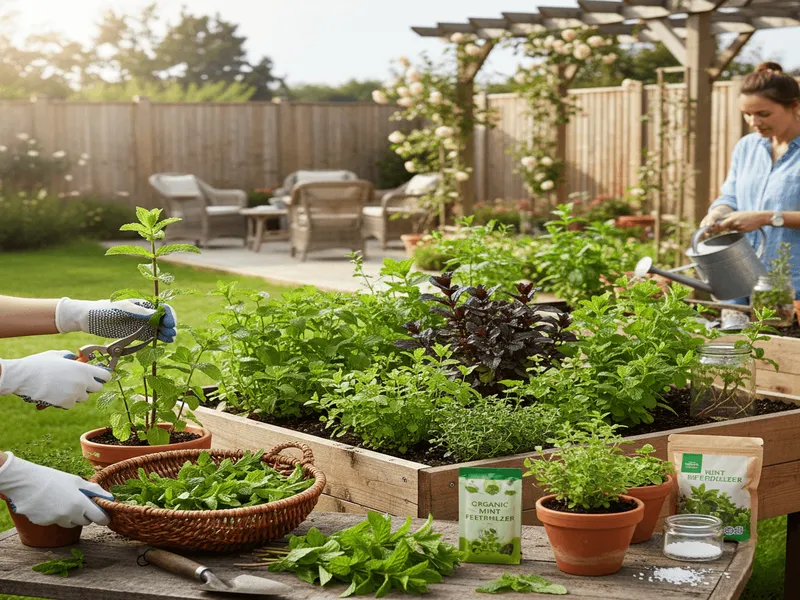
Mint is one of those plants that makes you feel like a gardening pro, even if you’re just getting started with how to grow mint at home. I still remember the first pot of mint I grew. It exploded with fresh green leaves, smelled incredible, and asked for almost nothing in return. That’s when I knew one thing for sure. If you want an easy, reliable herb, grow mint in pots.
Growing mint in pots gives you control, cleaner growth, better flavor, and zero garden drama. In this guide, I’m sharing exactly how I grow mint in containers at home, using simple steps that work whether you have a balcony, patio, rooftop, or sunny window.
Mint Plant Benefits in the Home Garden
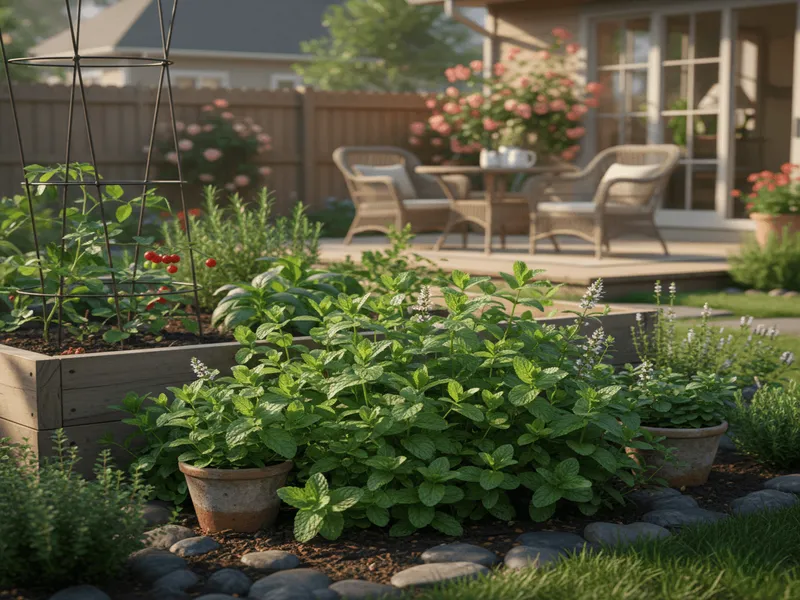
Mint is a fast-growing perennial herb, which means it grows back year after year. Even when winter knocks it down, mint doesn’t quit. It rests, then returns stronger in spring.
When you grow mint in pots, that growth becomes manageable instead of overwhelming. You get steady production without it taking over everything else.
I use Mint constantly. Fresh mint leaves go into tea, lemonade, chutneys, sauces, salads, and cooling summer drinks. Nothing beats snipping mint straight from the pot.
Mint is also known for digestive support, relaxation, and natural freshness. Even brushing past the plant instantly lifts your mood.
If you let mint flowers go to seed occasionally, bees and butterflies show up fast. Even container-grown mint supports pollinators, which is a huge bonus for small home gardens.
Mint Plant Varieties

If your main goal is cooking and daily use, these varieties are perfect for growing mint in pots:
- Spearmint
- Peppermint
- Moroccan mint
They grow fast, taste clean, and adapt well to container gardening.
For flavoured purpose you can grow these varieties. Chocolate mint, pineapple mint, apple mint, lime mint, and mojito mint add personality and aroma to your space.
I usually grow one classic mint and one flavored mint together. Best of both worlds.
Most mint varieties are hardy and survive cold weather. Peppermint and spearmint handle frost especially well. In warm climates, almost all mints thrive year-round in pots.
Hot climate? Give mint some afternoon shade. Cooler regions? Full sun works beautifully. Mint adapts quickly as long as it gets light, water, and decent soil.
Where and How to Grow Mint at Home?

This is the golden rule. Grow mint in pots if you want stress-free gardening. Mint spreads aggressively through underground runners, and containers stop that behavior completely.
Pots also make watering, feeding, and harvesting easier. I grow mint in containers even when I have open garden space.
Mint can grow in garden beds, but only with strict root control. Without barriers, it spreads fast and crowds out other plants. Pots are simpler and safer.
Yes, mint grows indoors. Place it near a bright window or under grow lights. Indoor mint growing gives you fresh leaves even in winter, which feels like a small luxury.
Mint grows best with 5 to 6 hours of sunlight daily. Full sun or partial shade both work. Indoors, brighter light means bushier plants and stronger flavor.
Best Soil and Containers for Mint

Mint prefers rich, loose, slightly acidic soil that stays moist but drains well. Heavy or compacted soil slows growth and causes stress.
Good soil equals healthy roots, and healthy roots mean more leaves.
I use a high-quality potting mix blended with compost. Adding perlite or vermiculite improves drainage and keeps roots from sitting in water.
This mix works perfectly for growing mint in pots.
Choose a pot at least 10 inches wide with drainage holes. Mint grows fast and fills containers quickly. A saucer underneath helps manage moisture.
Small pots dry out too fast and limit growth.
Containers naturally control mint spread. Repot or divide plants every few years to keep them productive and healthy.
How to Plant Mint?

This is the easiest method. Gently loosen the roots, plant at the same depth, water thoroughly, and place in light shade for a few days.
Mint settles quickly and starts growing almost immediately.
Take a 5 to 6-inch stem cutting and place it in water or moist soil. Roots form fast. I’ve propagated countless mint plants this way.
It’s simple, reliable, and perfect for beginners.
Mint seeds need light to germinate. Scatter them on the soil and press lightly. Seed growing works, but cuttings are faster and more predictable.
Spring and early autumn are ideal. Mild temperatures help mint establish quickly and grow aggressively once settled.
Watering and Feeding Mint Plants
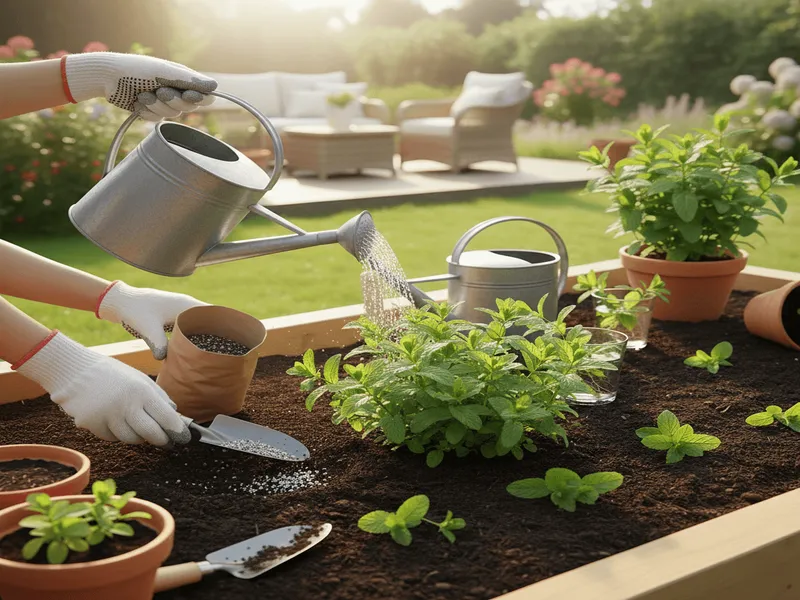
Mint loves moisture. Water whenever the top layer of soil feels dry. In hot weather, container-grown mint may need daily watering.
Dry soil leads to wilting quickly. Wilting usually means underwatering. Yellow leaves often point to overwatering. Balanced moisture keeps mint thriving.
Mint doesn’t need heavy feeding. One slow-release fertilizer in spring is enough. Overfeeding reduces leaf flavor and aroma. Compost, compost tea, and liquid seaweed are excellent organic choices for mint plant care.
How to Care for Mint Plants?

Pruning keeps the mint bushy and productive. Cut often and don’t be shy. Mint responds with fresh, tender growth.
Pinch growing tips weekly during peak season. Regular harvesting prevents leggy growth and boosts leaf production.
Mint dies back in winter. Cut it down and mulch lightly. In spring, it comes back strong and green.
Propagating Mint Plants
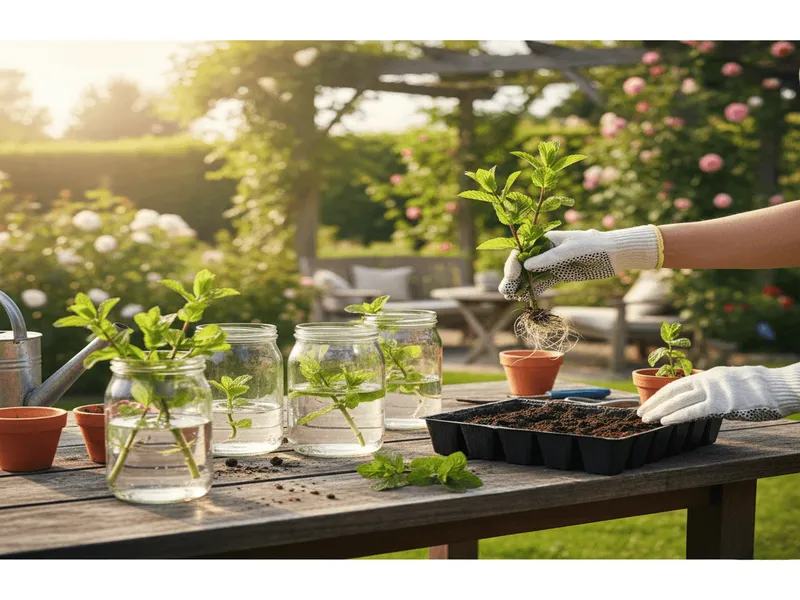
Divide mint every two to three years. It refreshes growth and gives you new plants for free.
Water Rooting is fast and satisfying. Once roots appear, transplant into soil for long-term growth.
Water Rooting is easy to monitor. Soil propagation produces sturdier roots over time.
Spring and early fall are the best times to propagate mint successfully.
Harvesting Mint
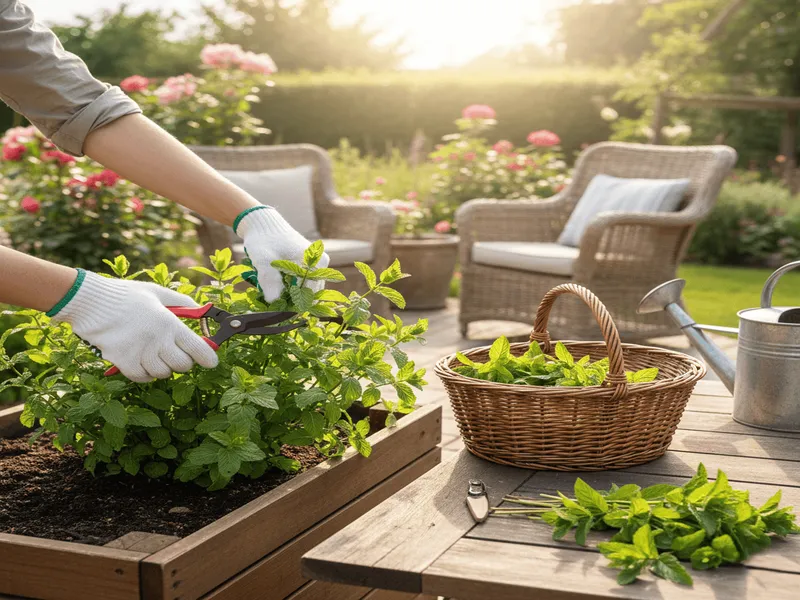
Harvest in late morning once the dew dries. Young leaves have the strongest flavor and aroma.
Cut stems just above leaf nodes. Never remove more than one-third of the plant at once.
The more you harvest, the more mint grows. Regular picking keeps plants productive and lush.
Storing and Preserving Mint
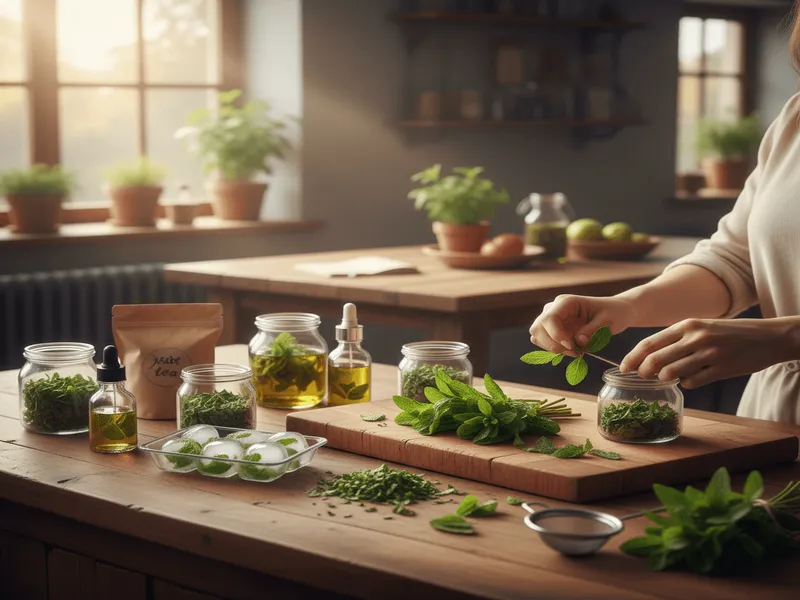
Store mint stems in water or wrap them in damp paper towels in the refrigerator.
Chop mint and freeze in ice cube trays. Flavor stays surprisingly fresh.
Air-dry mint in a shaded, well-ventilated area. This preserves aroma better than quick drying.
Common Problems When Growing Mint
Managing Aggressive Growth
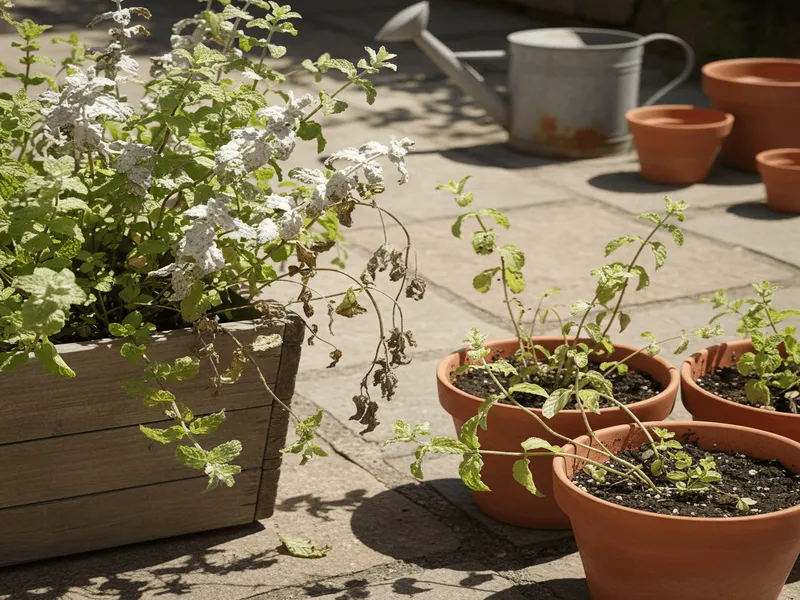
Mint grows fast. Containers and regular division keep growth controlled and tidy.
Mint Leaves Turning Yellow or Brown
Usually caused by overwatering, poor drainage, or nutrient imbalance.
Wilting and Poor Growth Issues
Lack of water or sunlight is usually the issue. Adjust conditions and mint recovers quickly.
Pests and Diseases Affecting Mint

Common Mint Pests
Aphids, spider mites, and whiteflies may appear. A strong water spray usually solves the problem.
Mint Rust and Other Diseases
Mint rust shows orange spots on leaves. Remove infected plants immediately.
Preventive and Organic Control Methods
Good airflow, proper watering, and clean tools prevent most issues naturally.
Growing Mint Safely

Mint is mildly toxic to pets if eaten in large amounts. Keep pots out of reach if needed.
Wait a few days after fertilizing before harvesting mint leaves.
How do I grow mint in pots successfully?
Use a wide container, rich soil, consistent watering, and regular pruning.
Does mint grow better in pots or the ground?
Mint grows better in pots because the spreading roots stay controlled.
Can mint grow indoors in pots?
Yes, mint grows well indoors with bright light and proper watering.
How often should I harvest mint?
Harvest regularly. Frequent cutting encourages new growth.
Final Thoughts
If you want an herb that’s easy, forgiving, and endlessly useful, grow mint in pots. Container gardening keeps mint healthy, flavorful, and under control while giving you fresh leaves almost year-round.
With the right pot, good soil, steady watering, and regular harvesting, mint becomes one of the most rewarding plants you’ll ever grow at home.